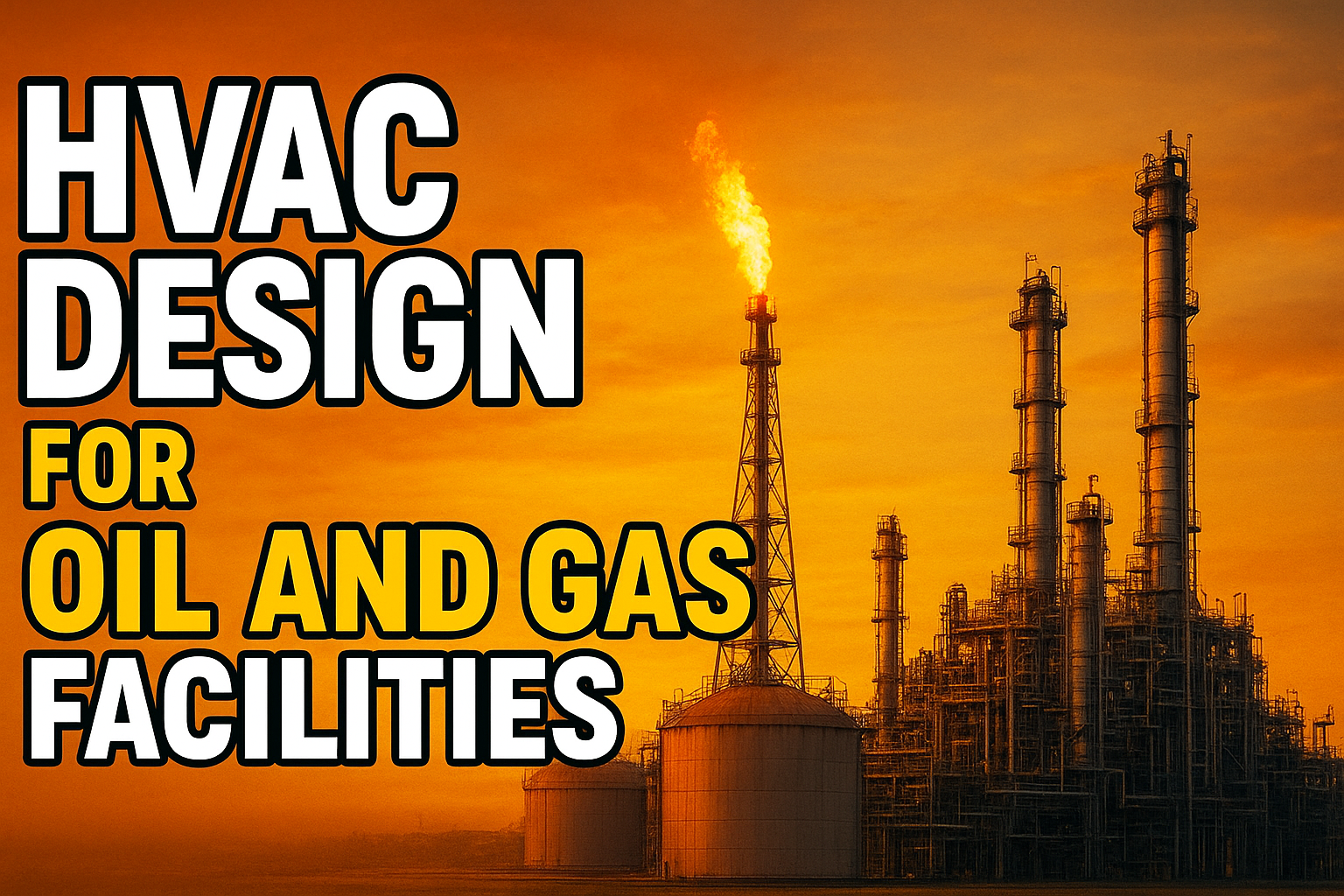
HVAC Design for Oil and Gas Facilities
Trainers feedback
Course type
Watch to learn anytime
Course duration
654 Min
Course start date & time
Access anytime
Language
English

Course content
The course is readily available, allowing learners to start and complete it at their own pace.

Module 01 Introduction to Oil & Gas Industry
3 Lectures
69 min

1.1 Overview of Oil & Gas Operations (Upstream, Midstream, Downstream)
Preview
34 min
1.2 Importance of HVAC Systems in Hazardous Environments
20 min
1.3 Regulatory & Safety Standards (ASHRAE, API, NFPA, NEC, OSHA)
15 min
Module 02 Psychrometrics and Air Properties
4 Lectures
37 min
2.1 Understanding Psychrometric Chart
13 min
2.2 Air Conditioning Processes on the Psychrometric Chart
10 min
2.3 Application of Psychrometrics in HVAC Design
6 min
2.4 How to use Psychrometric Software
8 min
Module 03 Fundamentals of HVAC Design
2 Lectures
49 min
3.1 Steps for Heat Load Calculation in Oil & Gas Facilities
10 min
3.2 HVAC System Types used in Oil & Gas
39 min
Why people choose EveryEng
Industry-aligned courses, expert training, hands-on learning, recognized certifications, and job opportunities—all in a flexible and supportive environment.
- Industry Veteran
- Trainer Review
Servilink Systems
EveryEng offers a fantastic learning experience with a great selection of courses and expert mentors. The platform is user-friendly, and the knowledge gained is highly practical. It's been a great journey so far!

ITER
The user experience on EveryEng is fantastic! The platform is simple, efficient, and provides excellent educational content. It helps developing new skills and gain confidence in engineering career.


KPMG
From learning new technologies to getting hired, this platform changed engineer's career trajectory! It's a great work by Engineer's behind the EveryEng brain.


SLB
I never imagined an online learning platform could be this effective! EveryEng’s courses are top-notch, the mentors are industry experts, and the skills my team gained have made a real difference in the performance!"


Advanced Upstream
EveryEng helped me bridge the gap between academia and industry. Their practical training and job placement services enabled me to secure a well-paying job and start building a successful engineering career!!


Sajjad Ansari
Questions and Answers
More from Same Author
- Technical Courses
- Articles


780

1
E-Learning
Unlimited access
Intermediate
E-Learning
Unlimited access
Pre-recorded videos
6932
120
Online
Live courses

March 16

1 Hrs
Online
Live courses
Interacting with trainer

Md Firan Mondal
Lead HVAC Engineer | CEng, MIMechE, UK I CEng, KIVI, Europe I B.E (Mechanical) I Oil & Gas I HVAC Wind Platforms I Green Hydrogen I Blogger
Free
9276
7
E-Learning
Unlimited access
Advanced
E-Learning
Unlimited access
Pre-recorded videos
Md Firan Mondal
Lead HVAC Engineer | CEng, MIMechE, UK I CEng, KIVI, Europe I B.E (Mechanical) I Oil & Gas I HVAC Wind Platforms I Green Hydrogen I Blogger
$800
Earning and Growth option in same Industry Domain
- Pre-recorded
- Online live session
- Offline
- Articles
379
E-Learning
Unlimited access
Intermediate
E-Learning
Unlimited access
Pre-recorded videos

829
E-Learning
Unlimited access
Intermediate
E-Learning
Unlimited access
Pre-recorded videos
1454
E-Learning
Unlimited access
Beginner
E-Learning
Unlimited access
Pre-recorded videos
More Training & Development option to expand your reach
- Technical courses
- Soft-skills courses
- Seminars
- Articles & Blogs
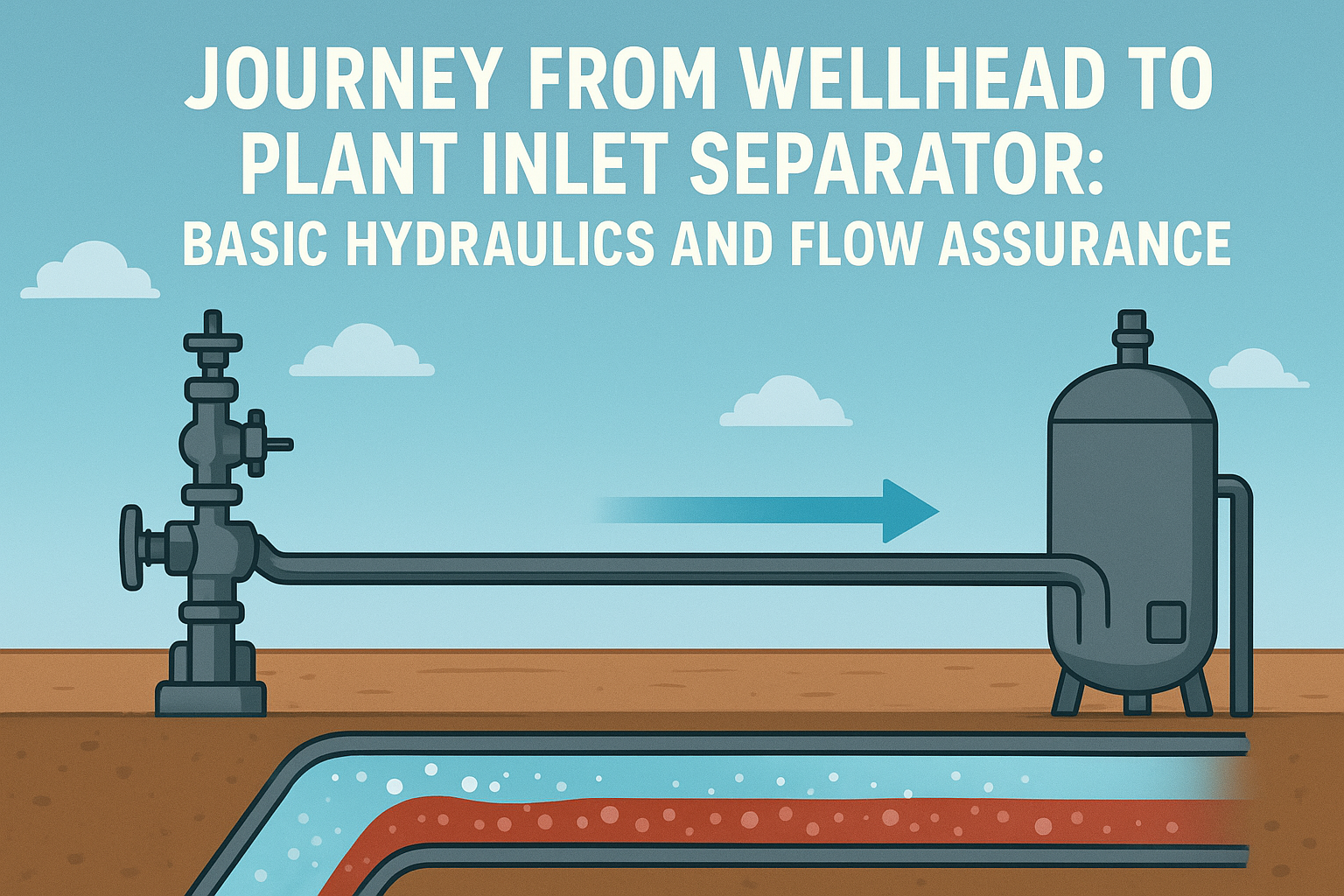
403
Online
Live courses
December 21
1.5 Hrs
Beginner
Online
Live courses
Interacting with trainer

998
3
Online
Live courses
December 31
160 Hrs
Advanced
Online
Live courses
Interacting with trainer

254
Online
Live courses
January 8
9 Hrs
Beginner
Online
Live courses
Interacting with trainer
